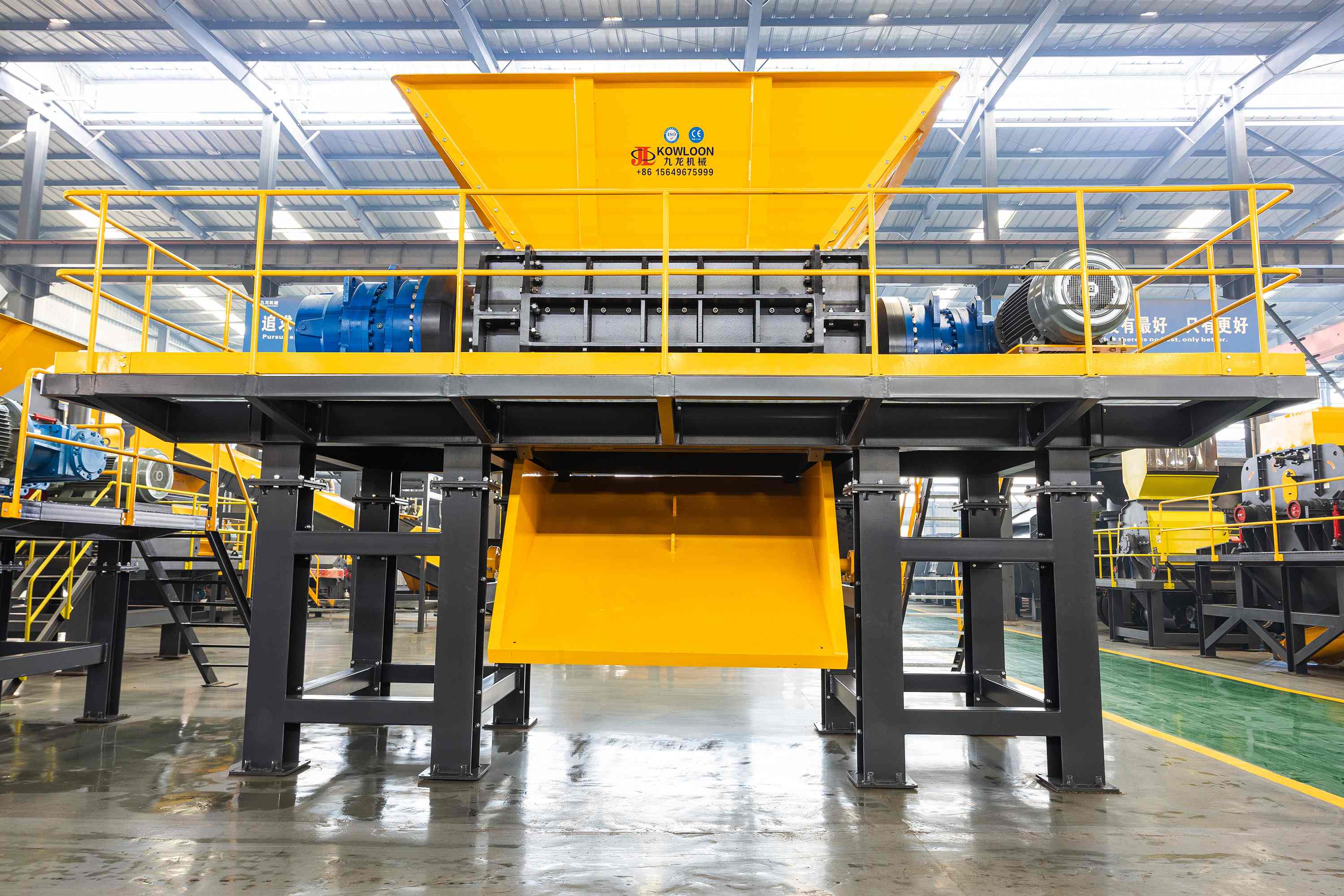
Waste Shredder Factory Guide: Maximizing Efficiency for Sustainable Material Processing
2026-04-13
In today's fast-paced industrial world, efficient waste management isn't just an option—it's a necessity for sustainable growth. At Kowloon Machinery, we're dedicated to transforming how businesses approach material processing with cutting-edge shredder solutions. This blog dives into our expert insights from the Waste Shredder Factory Guide, offering practical tips to maximize efficiency and reduce environmental impact. Whether you're looking to optimize your operations or explore innovative recycling methods, join us on this journey toward a greener future. Discover how Kowloon Machinery can help you achieve more with less, starting right here.
Cutting-Edge Shredder Technology for Superior Material Breakdown
Modern shredder technology has evolved far beyond simple paper-cut mechanisms, incorporating advanced systems that cater to diverse materials like plastics, metals, and electronic components. By integrating precision blades and real-time monitoring sensors, these machines achieve finer particle sizes, ensuring efficient breakdown while minimizing energy consumption and operational noise.
Innovations in material-specific shredding, such as adaptive control algorithms and customizable settings, allow users to tailor the process for optimal results. This flexibility not only enhances performance but also supports sustainability goals by enabling better material recovery and reducing waste volume in industrial and recycling settings.
The role of smart connectivity in shredders facilitates remote operation and predictive maintenance, boosting reliability. By leveraging data analytics, these systems can identify potential issues before they escalate, providing a seamless experience that prioritizes safety and long-term value for businesses seeking robust material management solutions.
Streamlining Operations to Boost Throughput and Reduce Downtime
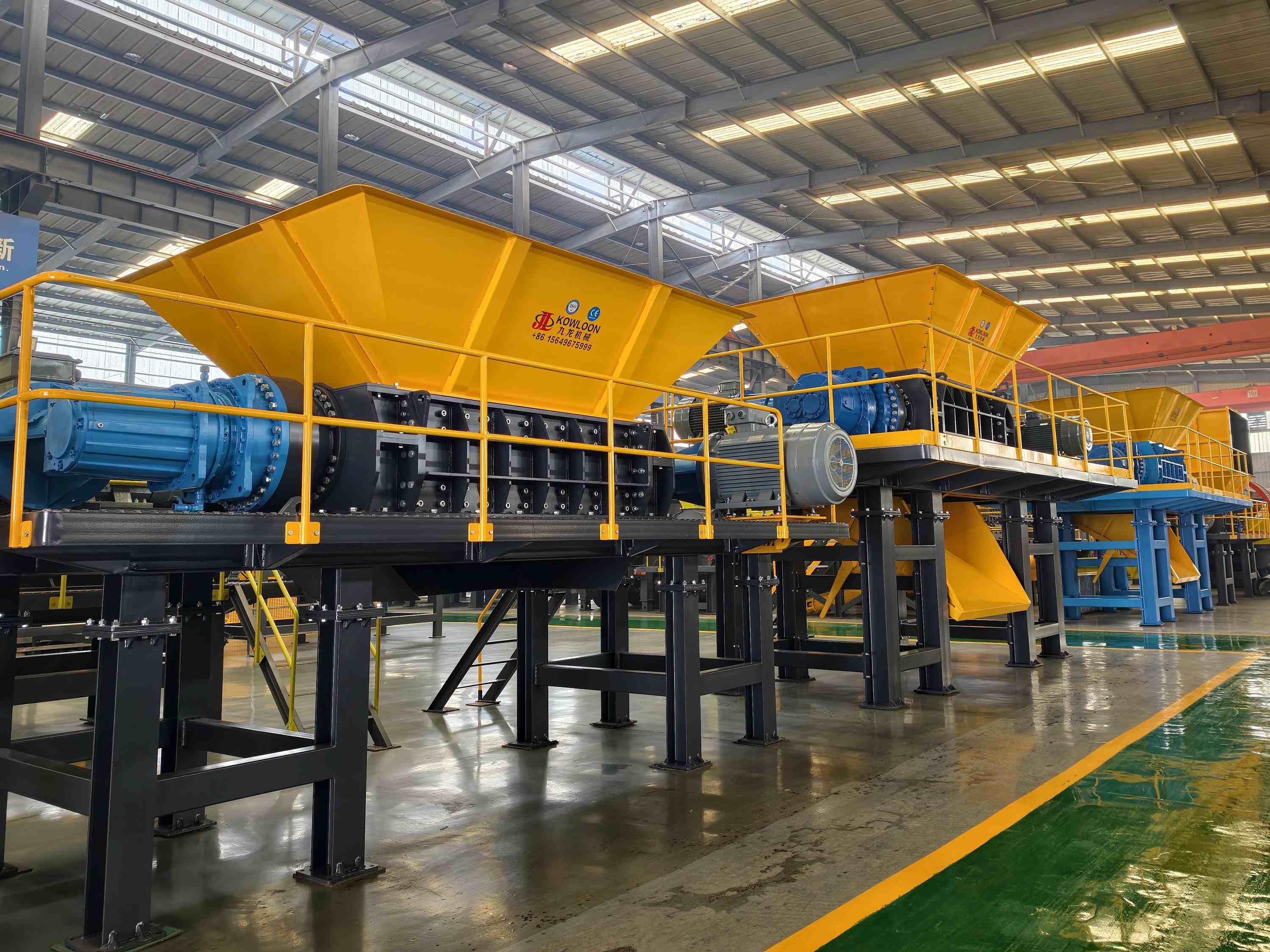
In today's fast-paced business landscape, streamlining operations isn't just a buzzword—it's a critical strategy for staying ahead of the competition. By refining workflows and eliminating unnecessary steps, companies can dramatically increase throughput, ensuring that more products or services are delivered in less time. This isn't about cutting corners; it's about smart optimization that respects quality while pushing efficiency to new heights.
Reducing downtime is equally vital, as unexpected interruptions can cripple productivity and erode customer trust. Through proactive maintenance schedules and robust contingency plans, businesses can minimize those costly pauses. Imagine a factory where machines hum along without unexpected breakdowns, or an office where IT glitches are resolved before they ever impact the team. That's the kind of seamless operation that keeps momentum steady and builds a reputation for reliability.
Ultimately, streamlining and reducing downtime go hand in hand to create a resilient, high-performing environment. Whether it's adopting new technologies, training staff to handle tasks more efficiently, or continuously analyzing data for improvements, the focus is on building a system that not only meets today's demands but adapts easily for tomorrow's challenges. By prioritizing these areas, organizations can unlock sustainable growth and keep their operations running smoothly, day in and day out.
Innovations in Sorting and Separation for Purer Output
Recent breakthroughs in sorting and separation techniques are revolutionizing how industries achieve higher purity levels in their outputs, moving beyond traditional methods that often left room for contamination or inefficiency. By integrating advanced sensors and machine learning algorithms, systems can now detect and remove impurities at microscopic scales, ensuring a cleaner end product with minimal waste.
One standout innovation involves the use of optical sorting combined with artificial intelligence, which dynamically adjusts to material variations in real-time, resulting in unprecedented accuracy. This approach not only boosts purity but also enhances sustainability by reducing energy consumption and extending the lifespan of sorting equipment.
Additionally, novel separation technologies, such as electrostatic and magnetic methods, are being refined to target specific contaminants that were previously difficult to isolate. These advancements are paving the way for purer outputs in sectors from recycling to pharmaceuticals, demonstrating how tailored solutions can drive both quality and efficiency forward.
Energy-Efficient Designs That Lower Costs and Environmental Impact
Imagine buildings that not only cut your monthly utility bills in half but also significantly reduce their carbon footprint. Energy-efficient designs achieve exactly this by integrating smart technologies and sustainable materials from the ground up. For instance, passive solar architecture leverages natural sunlight for heating, while advanced insulation minimizes heat loss, creating a comfortable indoor environment without excessive energy use. These strategies translate directly into lower operational expenses, making them a savvy investment for homeowners and businesses alike.
Beyond immediate cost savings, such designs actively combat environmental degradation by curbing greenhouse gas emissions linked to traditional energy sources. By incorporating features like green roofs, which improve air quality and biodiversity, or energy-efficient appliances that consume less power, these buildings contribute to a healthier planet. This dual benefit—economic and ecological—positions energy-efficient designs as a cornerstone of modern, responsible construction, appealing to those who value both fiscal prudence and environmental stewardship.
What truly sets these designs apart is their adaptability and innovation in real-world applications. From retrofitting older structures with LED lighting and smart thermostats to designing new developments with rainwater harvesting systems, the possibilities are vast and tailored to specific needs. This focus on practicality ensures that energy efficiency isn't just a theoretical concept but a tangible solution that enhances property value, reduces long-term maintenance costs, and fosters a sustainable legacy for future generations, all while keeping the environment in mind.
Advanced Safety Protocols Protecting Workers and Equipment
Modern workplaces thrive on a foundation of robust safety practices designed to shield both personnel and machinery. These advanced protocols integrate cutting-edge technology with proactive risk management strategies, ensuring that potential hazards are identified and mitigated before they escalate. By leveraging real-time monitoring systems and data analytics, organizations can preemptively address issues like equipment malfunctions or environmental threats, creating a safer, more resilient operational environment.
Tailored to specific industry needs, these safety measures often incorporate automated shutdown mechanisms, wearable sensors for workers, and regular safety drills that simulate emergency scenarios. This proactive approach not only minimizes downtime but also fosters a culture of vigilance, where every team member is empowered to report concerns and participate in safety improvements. The result is a dynamic framework that evolves with emerging risks, keeping pace with technological advancements and regulatory changes.
Beyond compliance, advanced safety protocols enhance overall operational efficiency by reducing accident rates and extending equipment lifespan. They often include predictive maintenance schedules and ergonomic adjustments, ensuring that workers can perform tasks comfortably and safely over the long term. This holistic focus on protection underscores a commitment to sustainability and well-being, turning safety from a mere obligation into a key driver of productivity and innovation in today's competitive landscape.
Tailored Solutions for Diverse Waste Streams and Industries
Effective waste management requires more than a one-size-fits-all approach, as different industries and waste types demand specific strategies for optimal handling and disposal. We develop customized solutions that address the unique challenges posed by sectors such as manufacturing, healthcare, and agriculture, ensuring compliance with regulations and minimizing environmental impact.
For instance, our team designs processes for controlling hazardous waste in chemical plants while streamlining recycling for construction debris, demonstrating flexibility across varied waste streams. By integrating advanced technologies and innovative methods, we offer solutions that not only manage waste efficiently but also support sustainability goals tailored to each industry's needs.
This personalized approach allows us to deliver measurable results, from reducing landfill contributions in retail to enhancing resource recovery in mining, making each solution impactful and relevant to its specific context.
FAQ
To maximize efficiency, focus on selecting the right shredder technology for specific waste types, implementing robust sorting systems to pre-process materials, and designing energy-efficient layouts. Integrating renewable energy sources and recycling water systems can further enhance sustainability. Regular maintenance schedules and staff training are also crucial for smooth operations.
Factories can minimize impact by adopting closed-loop systems to manage dust and noise, using electric shredders to lower emissions, and optimizing shred size to reduce downstream processing needs. Partnering with local recycling facilities ensures materials are repurposed, while real-time monitoring helps detect and address inefficiencies promptly.
Recent advancements include AI-powered sorting to identify and separate materials before shredding, modular shredders that adapt to different waste streams, and low-noise, high-torque motors that cut energy use. Some models now feature self-cleaning mechanisms and predictive maintenance alerts, extending equipment life and reducing downtime.
Proper training ensures operators can handle diverse waste streams safely, perform preventive maintenance, and troubleshoot issues quickly. Skilled teams reduce machine wear, prevent accidents, and optimize shred settings for better output, directly boosting productivity and sustainability outcomes.
Layouts should include clear zoning for different processes, with automated feeding systems to minimize human contact. Installing emergency stops, proper ventilation, and ergonomic workstations enhances safety. Efficient material flow paths and centralized control panels streamline operations, reducing delays and hazards.
Beyond shredding, these factories add value by producing uniform material flakes for manufacturing new products, such as plastics for construction or metals for automotive parts. They often collaborate with researchers to develop new recycling methods, turning waste into resources that close the loop in production cycles.
Key metrics include energy consumption per ton processed, waste diversion rates from landfills, water usage, and emission levels. Monitoring throughput efficiency, material purity post-shredding, and equipment uptime helps identify areas for improvement, guiding investments in greener technologies.
Smaller operations can focus on niche waste streams, like electronic or organic waste, using compact, versatile shredders. They often leverage community partnerships for local material sourcing and disposal, emphasizing personalized service and rapid adaptation to new recycling trends to build a sustainable brand.
Conclusion
The "Waste Shredder Factory Guide: Maximizing Efficiency for Sustainable Material Processing" provides a comprehensive framework for optimizing industrial shredding operations to meet the dual demands of productivity and environmental responsibility. By integrating cutting-edge shredder technology that ensures superior material breakdown, facilities can achieve more consistent particle sizes and improved processing speeds, which directly enhances overall throughput and minimizes downtime. Further streamlining operations through automated systems and predictive maintenance schedules allows factories to maximize equipment uptime, reducing interruptions and boosting operational fluidity. Innovations in sorting and separation technologies play a crucial role in this process, helping to produce purer output materials that are easier to recycle or repurpose, thereby supporting circular economy initiatives and reducing landfill dependency. Together, these elements create a cohesive strategy that transforms waste processing from a cost center into a value-generating activity, setting a new standard for industrial efficiency and sustainability.
Beyond operational enhancements, the guide emphasizes the importance of holistic factory design and management practices that address broader sustainability and safety concerns. Energy-efficient shredder designs significantly lower both operational costs and environmental impact by reducing power consumption and greenhouse gas emissions, aligning with global efforts to combat climate change. Advanced safety protocols are essential in protecting workers from potential hazards while also safeguarding equipment from damage, ensuring a secure and productive work environment. Moreover, tailored solutions for diverse waste streams and industries enable factories to adapt to varying material types, from plastics and metals to organic waste, enhancing versatility and market competitiveness. By combining these technological and strategic elements, the guide empowers facilities to not only meet regulatory requirements but also to innovate in ways that differentiate them from competitors, fostering long-term resilience and leadership in the sustainable waste management sector.
Contact Us
Contact Person: Ray
Email: [email protected]
Tel/WhatsApp: +86 13733817580
Website: https://www.zzkowloon.com/