
Top 3D Printing Services for Your Next Project
2026-06-16
Bringing your ideas to life often starts with choosing the right 3D printing service—but with so many options, where do you even begin? Whether you're prototyping a new invention or crafting custom parts, the quality and reliability of the service you pick can make or break your project. From fused deposition modeling to advanced resin printing, the landscape is packed with possibilities. That's why we've rounded up the top players that consistently deliver, including ProtoMat, a rising star known for its precision and speed. Ready to skip the guesswork and turn your vision into reality? Let's dive in.
Decoding the Perfect Print Partner
Finding a print partner who truly understands your vision goes far beyond comparing quotes. It's about aligning with a team that grasps the subtle interplay between paper texture, ink absorption, and how a finished piece feels in someone's hands. The right partner won't just print your file; they'll question it, refine it, and ensure every fold, cut, or embellishment enhances the story you're trying to tell.
Dive into their past projects, but look past the glossy portfolio shots. Pay attention to consistency across large runs, the precision of registration on intricate designs, and how they handled complex finishing requests. A candid conversation about their biggest production challenges often reveals more than a polished pitch ever could.
Ultimately, the chemistry matters as much as the machinery. A perfect partner becomes an extension of your creative studio—anticipating bottlenecks, suggesting smarter materials, and caring about deadlines as fiercely as you do. When both sides are invested in the outcome, the final product stops being just an order and becomes a shared achievement.
The Real Cost of Cheap Prints
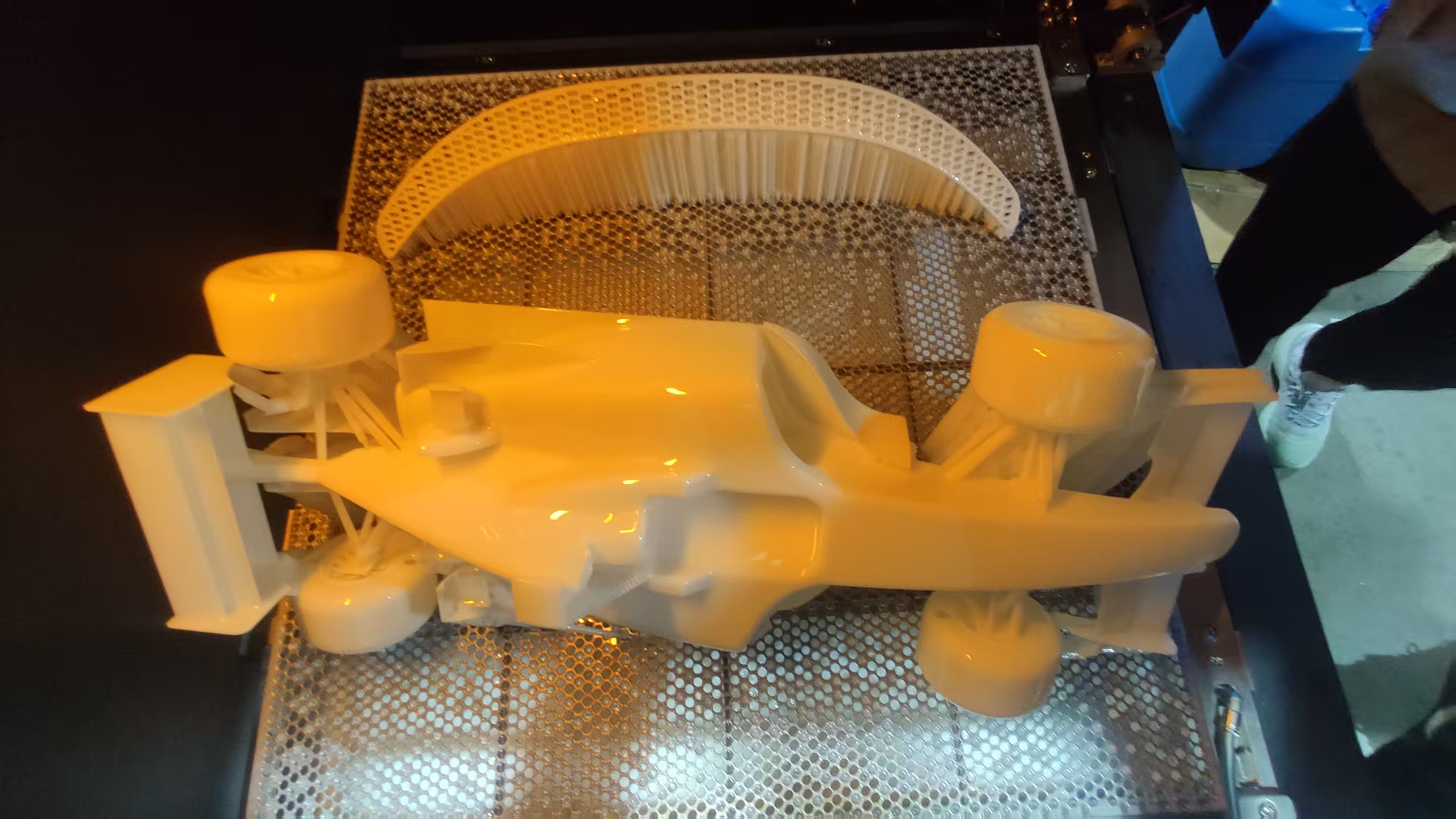
Cheap prints lure you in with prices that spark a happy dance, but beneath that glossy surface lurks a truth many discover too late. Within weeks, the image you loved starts to look washed out, edges curl, and the paper feels more like a disposable napkin than a keepsake.
It’s often the inks and paper stock that betray you. Dye-based solutions, chosen for their low cost, can’t hold a candle to pigment-rich alternatives. Colors drift, blacks turn muddy, and that sunset you captured becomes a dull smear. The final result sits unevenly in a frame, drawing attention for all the wrong reasons.
Then there’s the hidden toll on both your wallet and the planet. You end up paying for reprints, or worse, letting those fading memories pile up in drawers because they’re not worth displaying. Real value isn’t about the initial price tag—it’s about how long something lasts and the joy it brings.
Materials That Make or Break Your Prototype
Choosing the right materials is less about technical specs and more about understanding the story you want your prototype to tell. A sleek aluminum casing might scream premium, but if your audience is expecting a rugged, outdoor-ready gadget, you'll miss the mark entirely. The feel of a material in the hand, the way it reflects light, even the sound it makes when tapped—these sensory details often communicate far more than a CAD drawing ever could. Early on, I grabbed whatever was lying around—cardboard, hot glue, foam core—and while it was messy, it taught me that a material's limitations can spark smarter design choices. Don't just default to what's easy; let the material challenge your assumptions.
One thing that rarely gets mentioned is how materials affect team morale and decision-making. A rough, unfinished 3D print might get the point across, but a polished resin cast can ignite excitement in a way that moves a project from “maybe” to “let's go.” I've seen teams stall for weeks debating a feature, only to have clarity emerge the moment they held a prototype that felt right. That said, chasing perfection too soon is a trap. Sometimes a foam model and some honest conversation are all you need to kill a bad idea fast. The key is matching the material's fidelity to the stage of your thinking—cheap and quick to test assumptions, refined and deliberate to sell the vision.
Consider the hidden costs that come with material choices. That beautiful silicone overmold might require a mold that blows your timeline, while a cleverly folded sheet of polypropylene could get you feedback tomorrow. And then there's the environmental angle—clients and users are paying more attention these days. I've found that using reclaimed or recyclable materials not only aligns with values but often sparks conversations about durability and lifecycle that improve the design itself. At the end of the day, the materials you pick aren't just a means to an end; they become part of the product's identity, for better or worse. Choose like you're already telling the final story.
Speed, Detail, and the Art of Compromise
Sometimes the obsession with speed strips away the very texture that makes work memorable. A project finished in two days might check every box on a brief, yet it leaves behind the faint echo of something rushed—edges unsoftened, connections unexplored. When you chase the clock too closely, you trade nuance for velocity, and what you gain in output you lose in resonance.
Detail, on the other hand, is a seductive trap. You can spend weeks refining a single element, polishing it until it gleams, but the world outside has already moved on. The perfect curve of a letterform or the exact shade of a shadow matters little if the audience no longer cares about the message. I’ve seen teams bury themselves in granular adjustments while the actual problem they were solving became irrelevant overnight.
Compromise isn’t about settling; it’s about knowing where to place your attention so that speed and detail feed each other instead of fighting. It’s the quiet art of asking: what is the smallest thing I can do right now that will make the biggest difference tomorrow? Sometimes that means a rough sketch at dawn, other times a single carefully chosen word. The trick is to care deeply but hold loosely—to move fast without forgetting why you started, and to obsess without losing momentum.
Finishing Touches That Elevate Your Print
A crisp fold here, a subtle texture there—these tiny decisions push a printed piece from serviceable to memorable. Start with the stock itself. A thick, uncoated paper with a visible grain immediately signals substance before anyone reads a word. Then layer in restraint: a blind emboss on the cover, just a logo or a single motif, catches light without demanding attention. The difference is felt in the hands, not just seen.
Color demands consistency, but it’s the finish that controls the mood. A soft-touch laminate can make a business card feel almost private, like a secret passed between hands. On a brochure, alternating matte backgrounds with a spot gloss on photographs creates a visual rhythm that guides the eye without shouting. Even the way a coating shifts under different lighting—warm, cool, directional—adds a layer of discovery. Skip the default settings; test swatches on your actual stock and watch how the same palette entirely transforms.
Unexpected physical details often leave the longest impression. Trim a corner to reveal a hint of the interior color, or swap a straight edge for a delicate deckle. A custom envelope liner printed with a quiet pattern makes the unboxing feel curated rather than delivered. These gestures aren’t about spending more; they’re about solving a small riddle for the recipient—how did they do that?—and making sure the piece lingers on a desk instead of heading straight for the bin.
When Prints Fail: Support That Actually Helps
A print going sideways is always frustrating—hours in, you hear that familiar spaghetti sound or find a warped corner. You’re not alone. Most of us have been there, staring at a failed model and wondering where things went wrong. The key is knowing where to turn when the usual trial-and-error loop eats up too much time and filament.
Real help comes from places that understand your specific machine and the little quirks of your setup. That might be a forum where someone posted a photo of a nearly identical failure, a guide that walks through calibration with clear photos, or a responsive customer service line that doesn’t just send you a generic checklist. The best support remembers that behind every failed print is a person who just wants to get back to creating.
FAQ
Beyond the price tag, check their material selection, production speed, and post-processing capabilities. A service with in-house finishing and quality control often saves you from endless back-and-forth.
For parts that need to withstand stress, SLS or MJF are solid choices. FDM works if you're on a budget but expect rougher finishes. SLA gives high detail but can be brittle unless you opt for engineering resins.
It's night and day—standard PLA prints might warp under heat, while nylon or polycarbonate can handle real-world abuse. Always match the material to your end use, whether it's cosmetic or mechanical.
Most services can ship 10 to 50 parts within a week, but expect delays if you need custom post-work like dyeing or sanding. Rush options often double the cost.
Yes, but it's not automatic. Look for services offering vapor smoothing for thermoplastics or resin-based coatings. Hand finishing is possible but adds labor time and cost.
Setup fees, per-part support removal, and shipping for fragile items can sneak up on you. Always request a fully broken-down quote before committing.
Conclusion
Finding the right 3D printing service for your project isn’t just about browsing a list and picking the cheapest option. The perfect print partner understands your vision, suggests the best materials, and knows when speed matters more than surface finish. Cheap prints often hide warped layers, weak bonds, or inconsistent details that surface days after delivery. Materials are the backbone of any prototype—ABS for toughness, resin for smoothness, or nylon for flexibility—and a good service guides you through those trade-offs instead of letting you guess. They’ll help you balance speed and detail without sacrificing the core function of your part, because every project involves compromise, but the right partner makes those compromises feel like strategic choices, not stressful concessions.
The finishing touches transform a raw print into a polished product, whether it’s vapor smoothing, sanding, or dyeing, and services that invest in these steps show they care about the final impression your part leaves. Yet even the best prints can fail, and that’s when support becomes the real test. A top-tier service offers clear communication, fast reprints, and genuine troubleshooting instead of shifting blame. They treat your project like their own, staying accessible even after the invoice is paid. Ultimately, the best 3D printing services aren’t just manufacturers—they’re collaborators who elevate your ideas and stand by their work, making every step, from file upload to doorstep delivery, feel seamless and trustworthy.
Contact Us
Contact Person: Joe
Email: [email protected]
Tel/WhatsApp: +8613799507208
Website: https://www.3dprotomat.com/