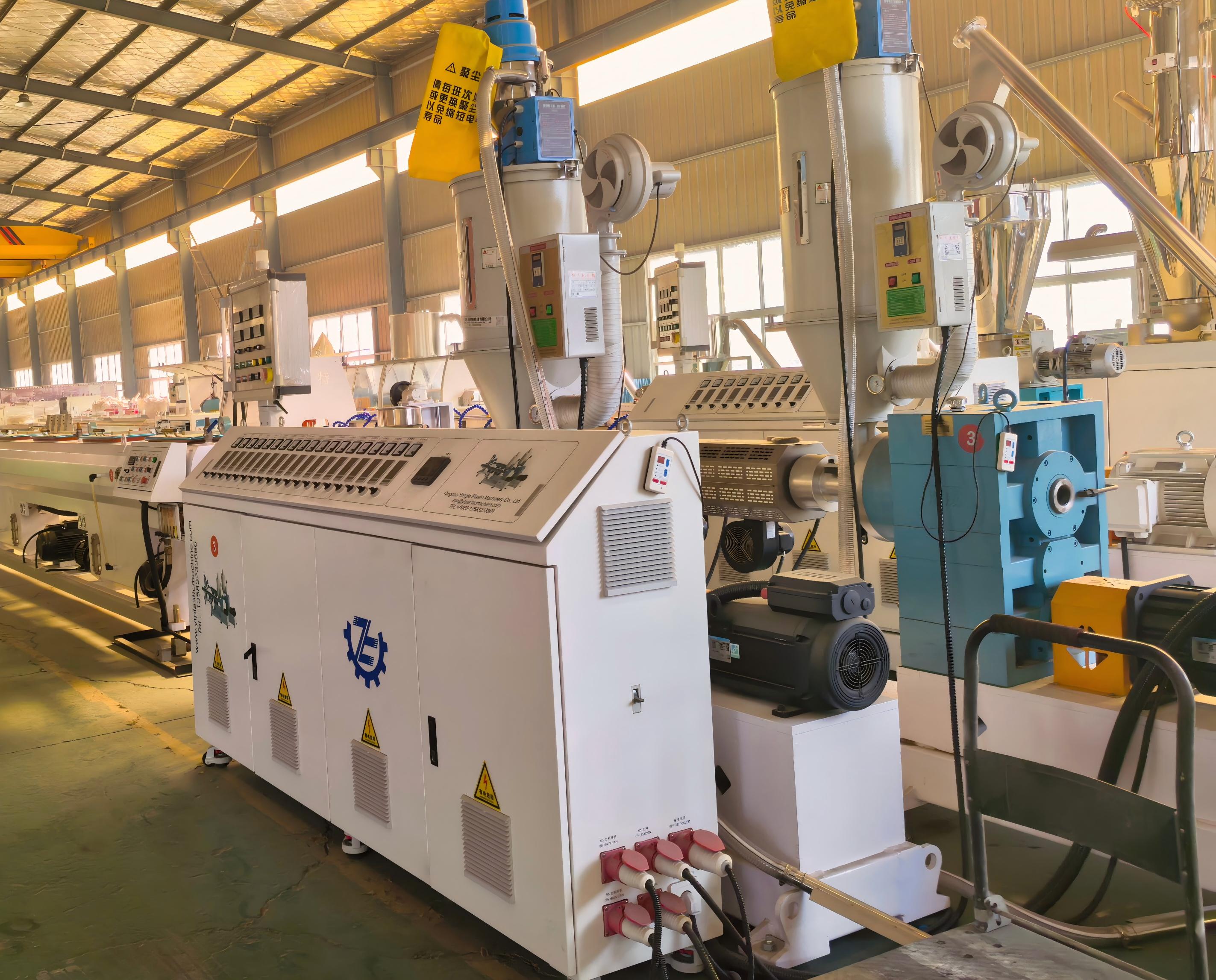
Plastic Lumber Machine Manufacturer: Innovative Solutions for Eco-Friendly Building Materials
2026-03-18
In a world increasingly focused on sustainability, the construction industry stands at a crossroads, seeking materials that blend durability with environmental responsibility. Enter plastic lumber—a game-changing alternative to traditional wood, and at the forefront of this innovation is Yongte, a leading manufacturer of plastic lumber machines. With a commitment to reducing waste and promoting eco-friendly building solutions, Yongte empowers businesses and communities to transform plastic waste into sturdy, long-lasting lumber. As we delve into the mechanics, benefits, and real-world applications of these machines, get ready to discover how Yongte is paving the way for greener, more resilient infrastructure, and why your next project might just depend on their cutting-edge technology. Let's explore the future of building materials together.
Expert Engineering for Durable Plastic Lumber Production
When it comes to creating long-lasting plastic lumber, expert engineering isn't just a bonus—it's the core of the entire production process. By combining advanced material science with precise manufacturing techniques, manufacturers can craft composite lumber that stands up to harsh weather, heavy loads, and constant wear and tear. This involves selecting high-quality recycled plastics, such as polyethylene or polypropylene, and reinforcing them with fibers or additives to enhance strength and durability. Through rigorous testing and quality control, engineers ensure each batch meets strict standards for performance and longevity, making it a reliable alternative to traditional wood in outdoor applications like decking, fencing, and landscaping.
Beyond material selection, innovative extrusion and molding methods play a crucial role in shaping durable plastic lumber. Engineers use state-of-the-art equipment to control temperature, pressure, and cooling rates, which helps prevent defects like warping or cracking. By fine-tuning these parameters, they can produce profiles that mimic the look and feel of real wood while offering superior resistance to moisture, insects, and UV radiation. This attention to detail in the manufacturing phase ensures that the finished product not only lasts longer but also maintains its aesthetic appeal over time, reducing maintenance costs and environmental impact.
What truly sets exceptional plastic lumber apart is the integration of sustainability into its engineering. Experts design products that maximize the use of post-consumer waste, diverting plastics from landfills and oceans. Through lifecycle assessments and continuous improvement, they refine production to minimize energy consumption and emissions, aligning with circular economy principles. This holistic approach means durable plastic lumber isn't just tough—it's a smart choice for eco-conscious projects, blending resilience with responsibility in every board produced.
Customized Machinery Solutions to Meet Green Building Standards
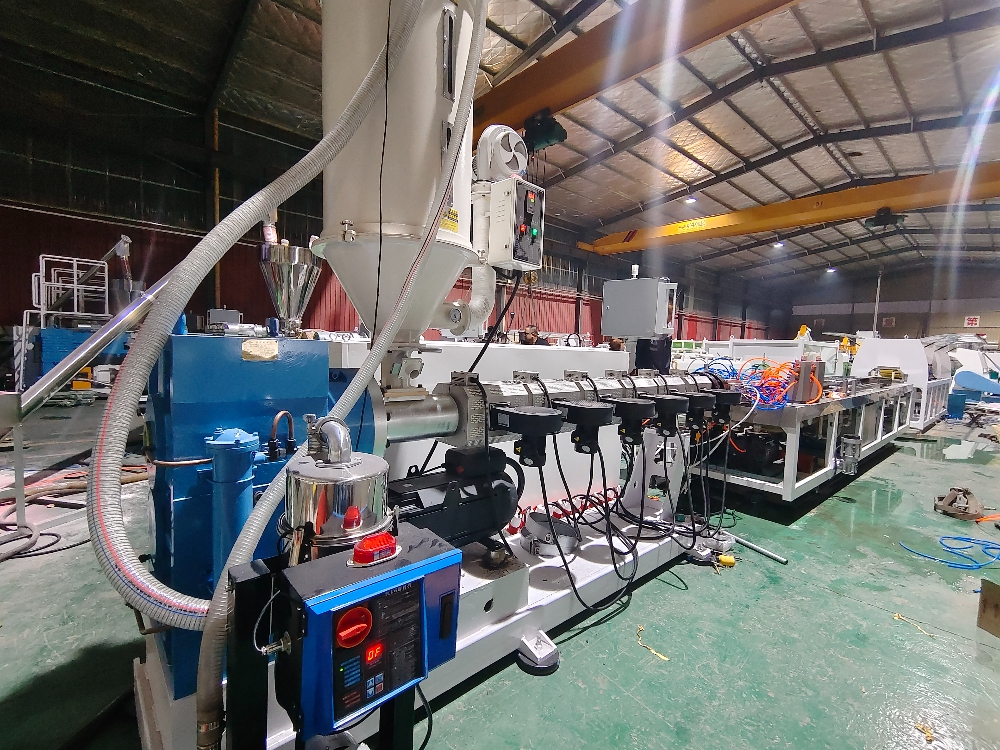
Tailored machinery plays a crucial role in advancing green building standards by addressing specific project needs. Instead of relying on one-size-fits-all equipment, custom solutions allow for precise energy efficiency, waste reduction, and material optimization. For example, machinery designed to handle recycled materials on-site can significantly lower a building's carbon footprint, while automated systems that adjust based on real-time environmental data support sustainable water and energy management.
These bespoke solutions often integrate innovative technologies like modular components and smart sensors, enabling adaptability across different construction phases. By focusing on durability and low-maintenance designs, they not only reduce resource consumption but also enhance building longevity, aligning with certifications like LEED or BREEAM. This approach helps construction teams meet stringent environmental criteria without compromising performance.
Embracing custom machinery transforms how projects approach sustainability, from planning to execution. It encourages creative problem-solving, such as developing equipment for unique site conditions or specialized green materials, fostering a competitive edge in the eco-friendly construction market. Ultimately, this shift supports broader industry goals of reducing environmental impact while delivering high-quality, resilient structures.
Advanced Technology Transforming Plastic Waste into Construction Materials
Imagine a world where discarded plastic bottles and packaging don't end up in landfills or oceans, but instead become sturdy bricks for building homes or durable panels for road construction. This isn't a far-off dream; it's the reality being shaped by cutting-edge technologies that efficiently convert plastic waste into valuable construction materials. Innovations like advanced sorting systems using AI and infrared sensors ensure high-purity plastic streams, while chemical recycling methods break down plastics into raw materials that can be molded into composite blocks. These processes not only reduce environmental pollution but also address the growing demand for sustainable building resources, making them a game-changer in both waste management and construction industries.
What sets these technologies apart is their ability to turn a global problem into a local solution. For instance, mobile pyrolysis units can be deployed in remote areas to melt mixed plastics into a liquid form, which is then mixed with aggregates like sand or gravel to create lightweight, insulating building materials. This approach eliminates the need for extensive transportation of waste to central facilities, lowering carbon footprints and empowering communities to tackle their own plastic pollution. The resulting products, such as interlocking bricks or roofing tiles, often outperform traditional materials in terms of durability and resistance to weather, offering a practical edge that appeals to builders and architects seeking greener alternatives.
Beyond the technical feats, the real impact lies in how these advancements foster circular economies. By integrating plastic waste into construction, we're not just repurposing trash; we're creating a closed-loop system where materials retain value over multiple lifecycles. Companies are pioneering methods to blend recycled plastics with other waste streams, like glass or rubber, to enhance material properties and expand application possibilities. This synergy not only diversifies construction options but also sparks innovation in design, leading to structures that are both eco-friendly and aesthetically unique, showcasing how technology can reshape our built environment while tackling one of the planet's most pressing issues.
Energy-Efficient Designs for Sustainable Manufacturing Processes
In today's rapidly evolving industrial landscape, energy-efficient designs are no longer just an option but a necessity for manufacturers aiming to blend productivity with environmental responsibility. These innovations focus on reducing energy consumption across production lines, from optimizing machinery operations to integrating smart systems that adjust power usage in real-time based on demand. By adopting such approaches, companies can significantly cut costs while minimizing their carbon footprint, paving the way for more sustainable and competitive operations.
A key aspect of these designs involves the strategic use of renewable energy sources, such as solar or wind power, directly within manufacturing facilities. This not only lessens reliance on fossil fuels but also enhances resilience against energy price fluctuations. Additionally, advanced materials and modular construction techniques allow for lighter, more durable equipment that requires less energy to operate and maintain, further boosting overall efficiency and sustainability in the long run.
Beyond technical upgrades, a holistic view of energy efficiency includes fostering a culture of continuous improvement among staff, encouraging energy-saving practices and innovation. By embedding sustainability into every stage of the manufacturing process, businesses can create a virtuous cycle where environmental benefits and economic gains go hand in hand, setting new standards for the industry.
Global Support and Innovation in Eco-Friendly Material Development
Around the world, countries and corporations are increasingly aligning their strategies with eco-friendly material development, driven by a collective push toward sustainability. Governments are rolling out policies and funding initiatives to spur research in biodegradable plastics, recycled composites, and low-carbon alternatives, creating a fertile ground for breakthroughs. This global momentum isn't just about compliance; it's about fostering a culture where innovation in materials becomes a cornerstone of environmental stewardship.
The innovation landscape is bustling with novel approaches, such as using agricultural waste to create durable textiles or developing materials that self-repair or biodegrade after use. Startups and academic institutions worldwide are collaborating on projects that blend traditional knowledge with cutting-edge technology, leading to materials that perform better while leaving a lighter footprint. These advancements are reshaping industries from fashion to construction, offering practical solutions that reduce reliance on finite resources.
Success in this field hinges on robust international partnerships and knowledge sharing, enabling faster scaling of sustainable materials. Through global networks and open-source platforms, researchers can build on each other's findings, accelerating the transition to a circular economy. As more stakeholders invest in these innovations, eco-friendly materials are becoming not just niche alternatives but mainstream choices, paving the way for a greener future.
Enhancing Building Durability with High-Performance Plastic Lumber
Imagine a construction material that not only withstands harsh weather without rotting or warping but also resists insects and moisture effortlessly. High-performance plastic lumber offers precisely that—a durable alternative to traditional wood, crafted from recycled plastics that are engineered for longevity. Unlike conventional timber, which may succumb to decay over time, this innovative material maintains its structural integrity under extreme conditions, making it an ideal choice for outdoor decks, fences, and marine applications where durability is paramount.
One of the standout features of high-performance plastic lumber is its minimal maintenance requirements. Gone are the days of frequent staining or sealing; this material retains its color and shape for years, significantly reducing upkeep costs and environmental impact. Its resistance to UV rays and temperature fluctuations ensures that structures remain robust and attractive, even in climates prone to intense sun or freezing winters. By integrating this lumber into building projects, developers can create spaces that not only look great but also stand the test of time with ease.
Beyond durability, high-performance plastic lumber contributes to sustainable construction practices. Made from post-consumer plastics, it diverts waste from landfills while providing a long-lasting building solution. This synergy of environmental stewardship and enhanced durability makes it a forward-thinking option for architects and builders aiming to reduce their carbon footprint. As the construction industry evolves, embracing materials like this can lead to more resilient and eco-friendly communities, paving the way for a future where buildings endure without compromising the planet.
FAQ
Plastic lumber is made from recycled plastics, such as bottles and containers, reducing landfill waste and conserving natural resources like trees. It doesn't require chemical treatments for durability, minimizing environmental toxins.
These machines enable efficient production of plastic lumber, which is durable, low-maintenance, and recyclable at the end of its life cycle, supporting circular economy principles in building projects.
Machines can produce various forms, including boards, posts, and panels, suitable for decking, fencing, playground equipment, and outdoor furniture, all designed to mimic wood aesthetics.
Yes, advancements include UV-resistant additives for color retention, improved structural integrity for load-bearing applications, and textured surfaces to prevent slipping and increase safety.
While initial costs may be higher, plastic lumber offers longer lifespan with minimal upkeep—resisting rot, insects, and weathering—leading to lower long-term expenses and fewer replacements.
Key factors include machine reliability, customization options for specific products, energy efficiency, and manufacturer support for maintenance and technical assistance.
Absolutely. It's versatile for both settings, from backyard decks and park benches to commercial boardwalks and marine structures, due to its durability and aesthetic flexibility.
By diverting plastic waste from incineration or landfills, production lowers greenhouse gas emissions and reduces the energy and resources needed for new material extraction.
Conclusion
Plastic lumber machine manufacturers are leading the charge in transforming waste plastics into durable, high-performance building materials through expert engineering and advanced technology. They focus on producing machinery that not only processes plastic waste efficiently but also ensures the resulting lumber meets rigorous construction standards. By integrating customized solutions tailored to green building requirements, these manufacturers help create materials that enhance building durability while reducing environmental impact. Through innovative designs and precise manufacturing processes, they enable the production of plastic lumber that rivals traditional wood in strength and longevity, making it a viable choice for sustainable construction projects worldwide.
Additionally, energy-efficient designs and global support networks are key aspects of their operations, promoting sustainable manufacturing that minimizes energy consumption and carbon footprint. These manufacturers continually innovate to develop eco-friendly materials, leveraging cutting-edge technology to convert plastic waste into valuable construction resources. By offering comprehensive support and fostering international collaboration, they drive progress in the fight against plastic pollution, contributing to a circular economy. Their efforts result in plastic lumber that not only meets high-performance standards but also aligns with global sustainability goals, paving the way for greener building practices and a more resilient future.
Contact Us
Contact Person: Ms Qin
Email: [email protected]
Tel/WhatsApp: 8613583233866
Website: https://www.yongteplast.com