Lauryl Alcohol Ethoxylate Supplier: Your Guide to Quality and Reliability
2026-03-02
In the world of surfactants and specialty chemicals, choosing the right supplier can make all the difference. Lauryl alcohol ethoxylates are essential ingredients in a range of applications, from industrial formulations to everyday products, and their quality and reliability directly impact your outcomes. That's why it's crucial to partner with a supplier that not only delivers excellence but also understands your unique needs. POLYKEM stands out as a leader in this field, offering expertise, consistency, and a commitment to customer satisfaction. In this guide, we'll explore what sets POLYKEM apart as your trusted lauryl alcohol ethoxylate supplier, diving into the factors that ensure top-notch quality and unwavering reliability. Whether you're a seasoned professional or new to the industry, this blog will provide valuable insights to help you make informed decisions. Let's get started!
Understanding Lauryl Alcohol Ethoxylate: Key Properties and Applications
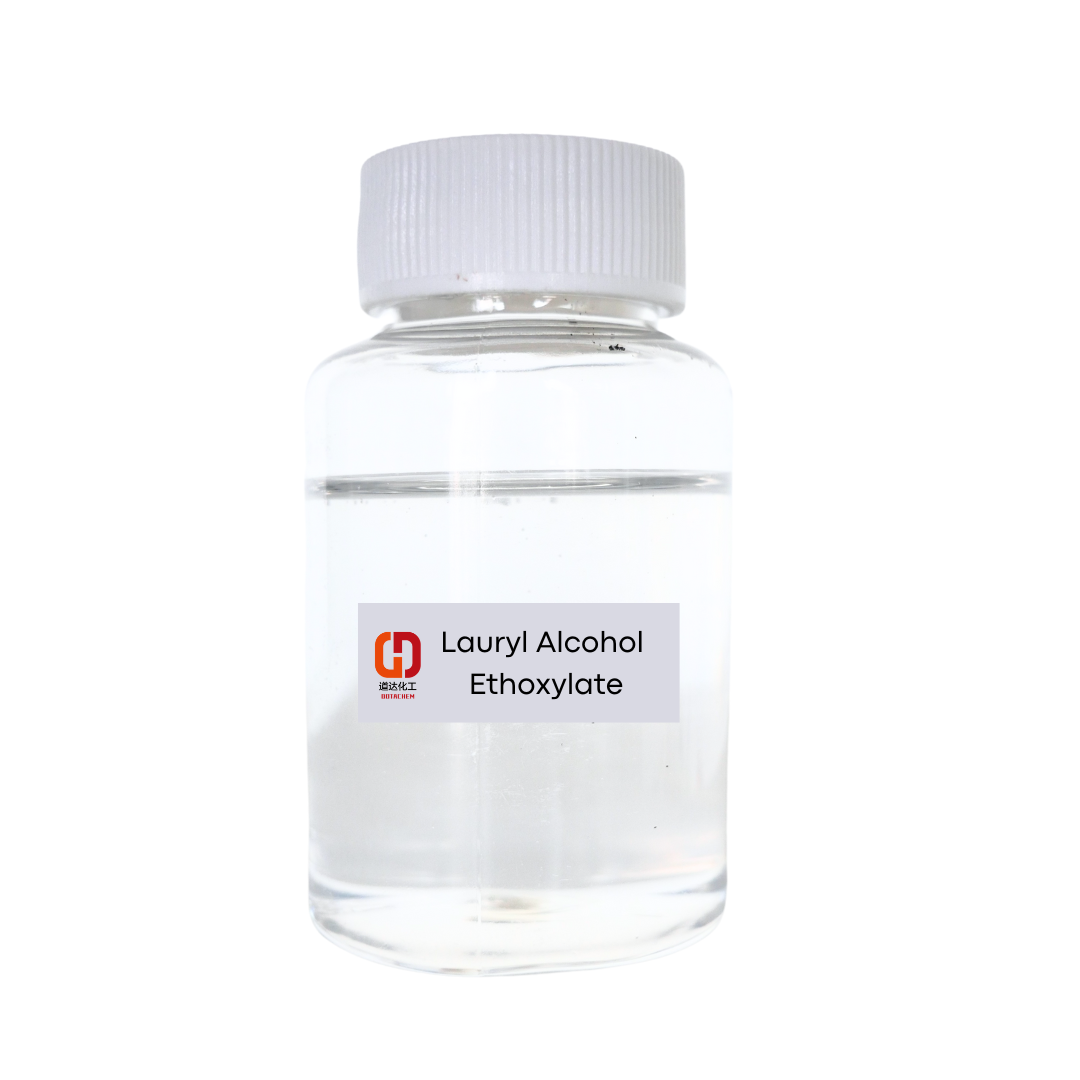
Lauryl alcohol ethoxylate is a surfactant derived from lauryl alcohol, a fatty alcohol obtained from natural sources like coconut or palm kernel oil. This non-ionic compound is created through a reaction with ethylene oxide, which adds ethoxylate groups to the molecule. Typically appearing as a clear, viscous liquid or waxy solid, it is soluble in water and many organic solvents, making it versatile for various formulations. Its chemical structure gives it excellent emulsifying and wetting properties, crucial for breaking down oils and dirt in applications ranging from personal care to industrial cleaners.
One of the standout features of lauryl alcohol ethoxylate is its ability to reduce surface tension effectively, which enhances its performance in cleaning and foaming. It is known for producing a rich, stable lather, often preferred in shampoos and body washes for a luxurious feel. Additionally, it exhibits good compatibility with other ingredients, such as anionic surfactants, allowing formulators to create balanced, high-performance products without excessive irritation. The degree of ethoxylation can be tailored to modify properties like solubility and foaming, offering flexibility for specific needs, whether in gentle household detergents or heavy-duty degreasers.
In practical use, lauryl alcohol ethoxylate finds broad applications across multiple industries. In household products, it's a key component in laundry detergents, dish soaps, and all-purpose cleaners due to its efficient dirt removal and mildness. In personal care, it's used in shampoos, conditioners, and skincare items for its gentle cleansing and emulsifying effects. Beyond consumer goods, it serves in industrial settings, such as in textile processing, where it acts as a wetting agent, and in agricultural formulations to improve pesticide spread. Its biodegradability and low toxicity make it an environmentally friendly choice, aligning with modern sustainability trends.
Top Factors to Consider When Choosing a Reliable Supplier
Finding the right supplier can make or break your business operations, so it's crucial to look beyond just the price tag. Start by assessing their reputation and track record—check online reviews, ask for client references, and see how long they've been in the industry. A supplier with a solid history of delivering on time and maintaining quality is often worth the investment, even if their rates are slightly higher.
Communication and transparency are another key area often overlooked. You'll want a partner who's responsive, provides clear updates on orders, and is upfront about any potential issues like delays or stock shortages. This openness helps build trust and allows you to plan ahead, reducing those last-minute surprises that can disrupt your workflow.
Finally, consider their scalability and flexibility. As your business grows, you'll need a supplier that can keep up with increased demand without compromising on service. Look for signs they can adapt to changing needs, whether it's handling larger orders or offering custom solutions, ensuring a long-term partnership that evolves with your goals.
Ensuring Quality Control in Production and Supply Chains
In today's rapidly evolving global marketplace, maintaining robust quality control across production and supply chains is not just a best practice—it's a necessity for staying competitive and building consumer trust. Companies are increasingly adopting integrated systems that monitor every stage, from raw material sourcing to final product delivery, ensuring consistency and compliance with both regulatory standards and customer expectations. This proactive approach helps identify potential issues early, reducing costly recalls and safeguarding brand reputation in an interconnected economy where any misstep can quickly escalate into a public relations crisis.
Beyond mere compliance, effective quality control involves leveraging advanced technologies like IoT sensors and AI-driven analytics to gain real-time insights into production processes and supply chain dynamics. These tools enable teams to predict disruptions, optimize resource allocation, and fine-tune operations for better efficiency. By embedding quality checks into the workflow rather than treating them as isolated audits, businesses can foster a culture of continuous improvement, where every stakeholder contributes to upholding standards that drive innovation and sustainability in long-term partnerships.
Moreover, a holistic view of quality control extends to ethical and environmental considerations, addressing challenges such as labor practices and carbon footprints. Transparent communication and collaboration with suppliers ensure that quality isn't compromised at any link, turning the supply chain into a resilient ecosystem that adapts to market shifts. Ultimately, robust quality control strategies empower organizations not only to deliver superior products but also to build lasting relationships with clients and communities, reinforcing a commitment to excellence that resonates far beyond the factory floor.
Cost-Effectiveness and Pricing Strategies for Your Business
Achieving cost-effectiveness in your business involves more than just cutting expenses; it's about maximizing value while minimizing waste. By implementing lean processes and leveraging technology for automation, companies can reduce operational costs without sacrificing quality. This approach not only boosts profitability but also positions your business as a nimble competitor in today's fast-paced market.
Developing smart pricing strategies requires a deep understanding of your target audience and market dynamics. Instead of relying on static models, consider dynamic pricing that adjusts based on demand, seasonality, or customer behavior. For instance, offering tiered pricing can attract a wider range of clients while premium options cater to those seeking exclusive value, helping you capture market share effectively.
Integrating cost-effectiveness with pricing can create a powerful synergy. For example, lower production costs might allow you to offer competitive prices without compromising margins, or you could reinvest savings into enhancing product features that justify higher price points. This balanced strategy ensures long-term sustainability and customer loyalty, setting your venture apart from competitors who overlook these interconnections.
Innovative Uses and Future Trends in Industry Applications
In today's rapidly evolving industrial landscape, innovative applications are transforming traditional operations, pushing boundaries in sectors like manufacturing, logistics, and energy. For instance, augmented reality is being used to enhance worker training and maintenance procedures, allowing technicians to access real-time data and visual overlays directly on equipment, reducing downtime and errors. Meanwhile, additive manufacturing, or 3D printing, enables the creation of complex, customized parts on-demand, revolutionizing supply chains and reducing material waste. These advancements are not just incremental improvements but are fundamentally reshaping how industries approach productivity and sustainability, often leading to cost savings and new revenue streams.
Looking ahead, future trends in industry applications are poised to further blur the lines between digital and physical realms, with artificial intelligence and machine learning taking center stage. Predictive analytics powered by AI can forecast equipment failures before they occur, enabling proactive maintenance and minimizing disruptions. In agriculture, precision farming integrates sensors and drones to optimize crop yields and resource usage, making farming more efficient and environmentally friendly. Additionally, the rise of the industrial Internet of Things (IoT) is creating interconnected ecosystems where machines communicate seamlessly, enabling automated workflows and real-time monitoring across global networks, fostering a more agile and responsive industrial environment.
As industries continue to adopt these innovations, the focus is shifting toward integration and scalability, ensuring that new technologies complement existing infrastructure. For example, blockchain is emerging as a tool to enhance supply chain transparency and security, tracking goods from production to delivery with immutable records. In renewable energy, smart grids are being developed to balance energy distribution and storage, integrating solar and wind power more effectively. These trends highlight a move toward holistic, data-driven approaches that prioritize resilience and adaptability, positioning industries to thrive in an era of constant change and increasing consumer demands for efficiency and sustainability.
Building Lasting Partnerships with Trustworthy Manufacturers
Forge a foundation of reliability by prioritizing transparent communication and shared values from the outset. When you collaborate with manufacturers who consistently meet deadlines and maintain high-quality standards, you not only reduce operational risks but also build a mutual trust that fosters innovation and efficiency. This kind of partnership allows both parties to adapt quickly to market changes, ensuring that your products remain competitive and your brand reputation stays intact over the long haul.
A trustworthy manufacturer is more than just a supplier; they become a strategic ally invested in your success. By regularly engaging in joint planning sessions and setting clear, measurable goals, you can create a seamless workflow that minimizes misunderstandings and maximizes productivity. This collaborative approach often leads to cost savings through optimized processes and shared resources, making it a win-win scenario that strengthens the relationship and drives sustainable growth for both sides.
Diversification and flexibility are key components of a lasting partnership, as they help navigate unforeseen challenges without compromising on quality or timelines. When manufacturers demonstrate adaptability in their production methods and a commitment to ethical practices, it solidifies their reliability and ensures a resilient supply chain. This proactive mindset not only enhances operational stability but also builds a reputation for integrity that attracts other like-minded businesses, expanding your network and reinforcing the value of choosing trustworthy partners.
FAQ
Lauryl Alcohol Ethoxylate is a non-ionic surfactant derived from lauryl alcohol and ethylene oxide, commonly used in industries like detergents, cosmetics, and industrial cleaners for its emulsifying and foaming properties.
A supplier emphasizing quality ensures consistency in product performance, reduces risks of contamination, and enhances the reliability of your formulations, leading to better end products.
Reliable suppliers provide timely deliveries and stable supply chains, minimizing disruptions and helping maintain smooth production schedules, which is crucial for meeting customer demands.
Look for suppliers with robust testing protocols, certifications, transparent sourcing, and a track record of customer satisfaction to ensure you get a product that meets technical specifications.
Absolutely, suppliers with deep technical knowledge can offer tailored solutions, optimizing the ethoxylate's properties for specific applications, thereby boosting product effectiveness.
Yes, trends like a shift towards sustainable and bio-based variants are prompting suppliers to innovate, so choosing one aligned with these trends can future-proof your operations.
Request detailed documentation, such as certificates of analysis and batch test results, and consider conducting in-house tests or working with suppliers who offer third-party verification to ensure quality.
Conclusion
Navigating the landscape of lauryl alcohol ethoxylate (LAE) suppliers requires a deep understanding of both the product and procurement strategies. LAE, a versatile surfactant with key properties like emulsification and wetting, finds applications across industries from detergents to personal care, making it essential to choose a supplier that aligns with your specific needs. Beyond just understanding its uses, selecting a reliable supplier involves evaluating factors such as production capabilities, quality assurance systems, and supply chain transparency. By focusing on these elements, businesses can ensure consistency and performance in their formulations, avoiding disruptions and enhancing product reliability.
To build a sustainable partnership, consider aspects like cost-effectiveness, innovative trends, and long-term collaboration. Effective pricing strategies and quality control in production not only manage costs but also drive innovation, as emerging applications in eco-friendly products and industrial processes highlight future trends. Fostering trust with manufacturers through clear communication and shared goals ensures lasting reliability. Ultimately, this guide emphasizes that a strategic approach to supplier selection—combining knowledge of LAE properties with diligent partnership-building—is key to securing quality and dependability in your supply chain, positioning your business for success in a competitive market.
Contact Us
Contact Person: Levi
Email: [email protected]
Tel/WhatsApp: +86 532 84688720
Website: https://www.polykem-intl.com