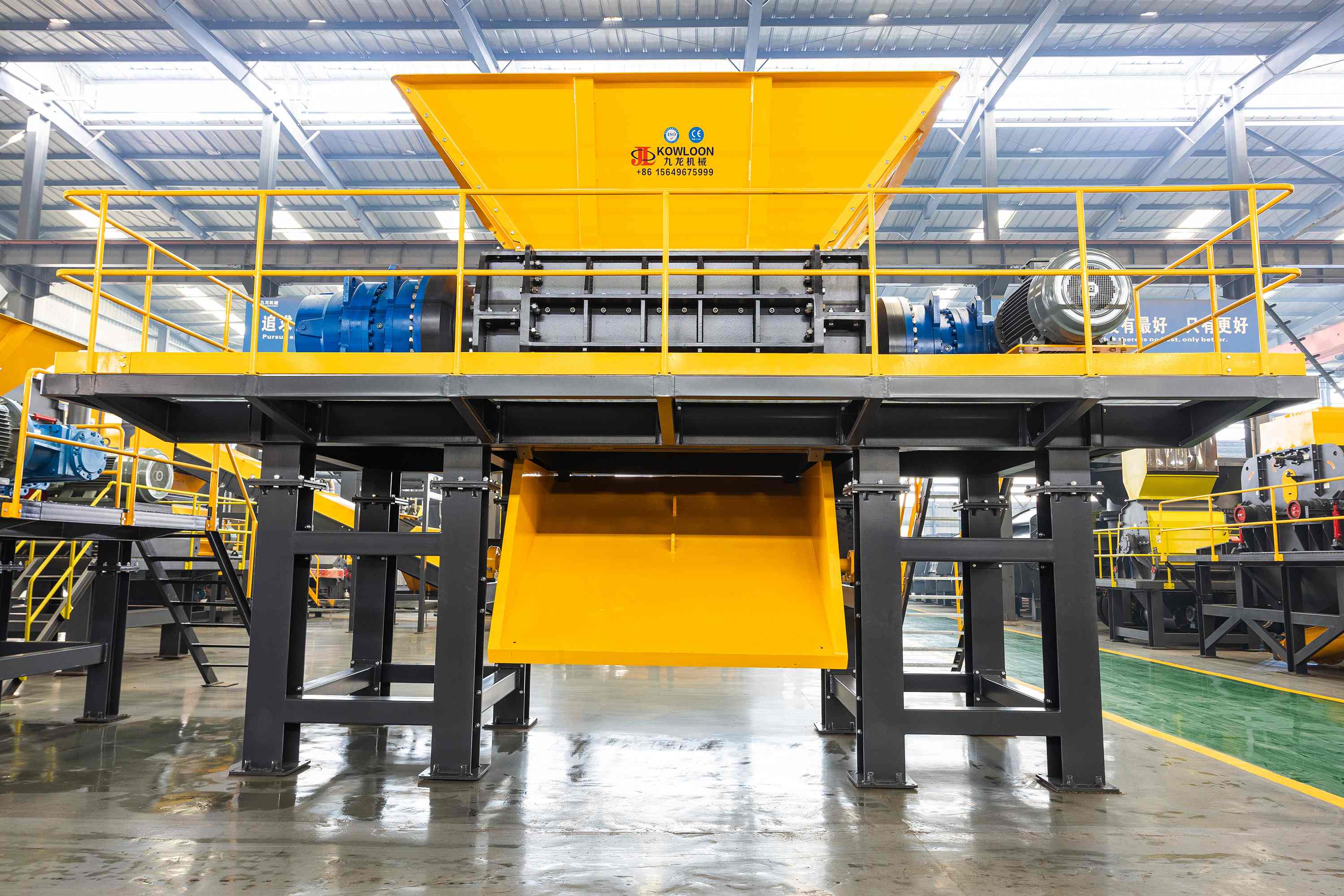
China Metal Crusher: Transforming Scrap into Valuable Resources Efficiently
2026-05-10
Scrap metal is an overlooked goldmine, piling up in yards and facilities while holding untapped value. Conventional processing methods often struggle with time, labor, and energy waste. Enter the China metal crusher—a powerful innovation engineered to turn cumbersome waste into high-density, reusable fragments with remarkable speed. At the forefront of this transformation is Kowloon Machinery, redefining resource recovery with equipment that blends precision engineering and durability. In this post, we’ll explore how advanced crushing technology is reshaping recycling and why it matters for your bottom line.
How China’s Metal Crushers Are Redefining Scrap Recycling Speed
At a sprawling recycling yard on the outskirts of Shanghai, a row of massive metal crushers roars to life, devouring mountains of discarded appliances, car bodies, and industrial scrap. What once took days to process is now reduced to fist-sized fragments in under an hour, thanks to a new generation of high-speed, high-torque shredders developed by Chinese engineers. These machines aren’t just bigger — they’re smarter, using real-time load sensing and adaptive rotor speeds to maintain crushing momentum without sacrificing energy efficiency.
The impact goes beyond brute force. By integrating automated sorting systems directly into the crushing line, these crushers separate ferrous metals, aluminum, and even copper wiring with unprecedented precision as the material flows through. This eliminates the traditional multi-step process of manual sorting and secondary shredding, slashing total recycling time by nearly 70%. A single line can now handle over 100 tons of mixed scrap each day, a volume that would have required a much larger facility just five years ago.
Industry observers note that this leap in processing speed isn’t simply a matter of bigger motors. Chinese manufacturers have rethought the entire mechanical architecture — from wear-resistant alloy hammers that last three times longer, to dust suppression systems that keep operations running around the clock without violating strict urban air-quality rules. The result is a recycling ecosystem where a truckload of scrap can arrive in the morning and be sorted, shredded, and baled for shipment by sunset, fundamentally resetting expectations for what fast recycling looks like.
From Waste to Worth: The Engineering Behind Advanced Crushing Systems
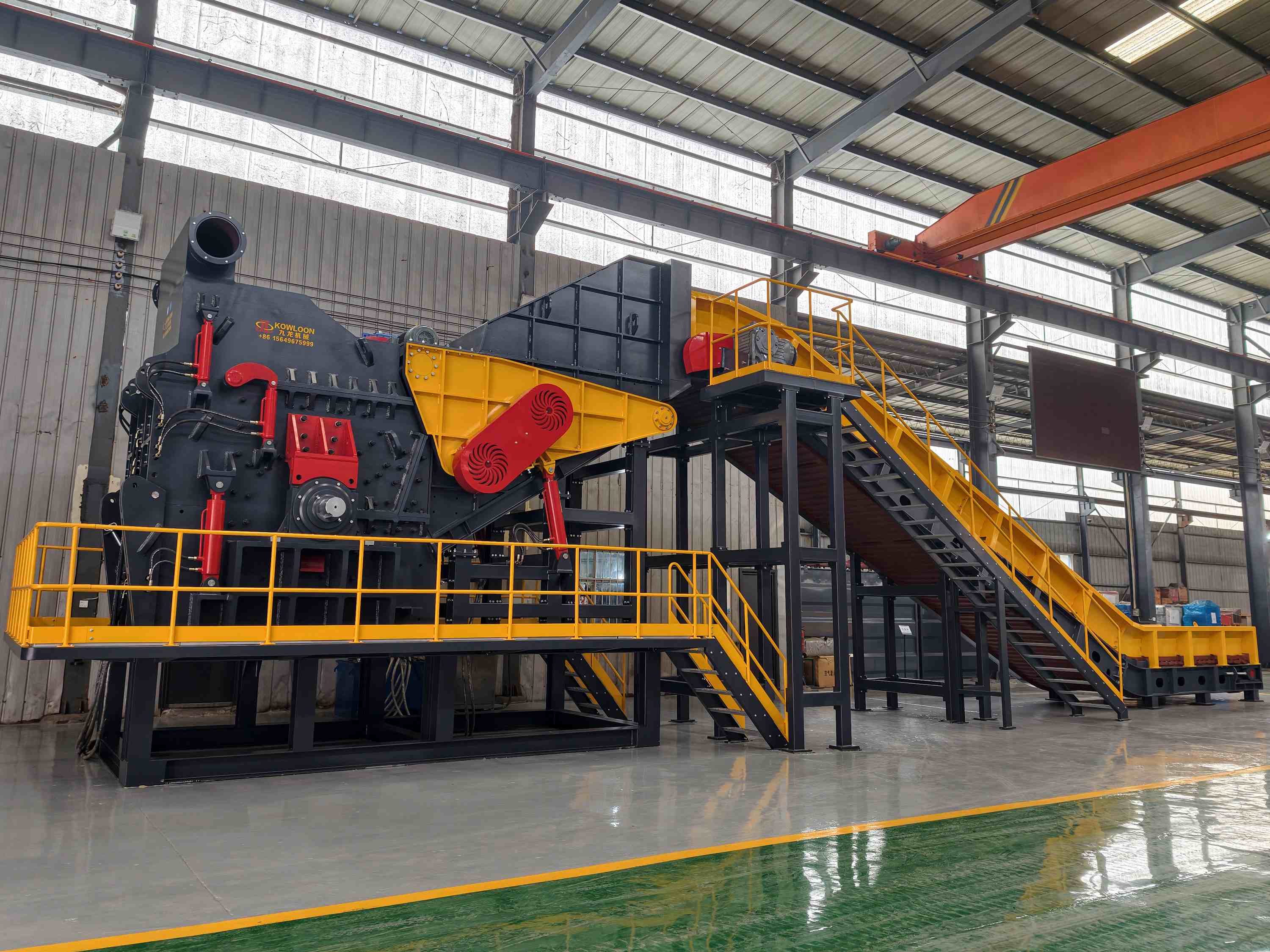
Turning discarded concrete and rock into valuable aggregate isn’t just about brute force—it’s a careful dance of mechanics and material science. Modern crushers rely on precisely engineered geometries that guide material through staged reduction, using compression, impact, or shear forces tailored to the feed’s hardness and shape. Subtle adjustments in rotor speed, liner profiles, and chamber angles can mean the difference between a well-graded product and a pile of unusable fines.
Behind the steel casing, smart systems are quietly raising the bar. Real-time sensors monitor everything from bearing temperatures to vibration patterns, feeding data into algorithms that predict wear and automatically tweak settings to maintain output consistency. Innovations in metallurgy—like ceramic-embedded manganese liners and carbide-coated rotors—extend component life well beyond traditional limits, slashing downtime and the carbon footprint tied to frequent replacements.
The real payoff shows up where these machines work: in quarries reclaiming mountains of waste, on demolition sites feeding urban renewal, and in mines reducing haulage loads by pre-crushing ore. Engineers are now exploring hybrid drives that recover braking energy and modular designs that adapt to shifting feed materials without rebuilding entire circuits. The goal isn’t just smaller rock—it’s reshaping the economics and environmental impact of raw material processing.
Why Global Industries Rely on Chinese Crusher Technology
Chinese crusher technology has achieved a level of refinement that many global industries find indispensable. Decades of focused engineering have produced machines that consistently deliver high throughput with minimal downtime, even in the most abrasive conditions. The systematic emphasis on durability and precise particle size control means that these crushers integrate smoothly into processing lines from Australia to Canada, often outperforming older equipment from traditional suppliers.
Beyond technical prowess, the economic logic behind this reliance is compelling. Chinese manufacturers offer aggressive pricing structures without cutting critical corners on metallurgy or build quality. For large-scale operations, the total cost of ownership—factoring in energy efficiency, wear part longevity, and straightforward maintenance—often tilts decisions their way. Procurement managers across emerging and developed markets alike have learned that bypassing Western legacy brands in favor of these alternatives can unlock significant budget headroom for other strategic investments.
The service model further solidifies this trust. Instead of rigid off-the-shelf catalogs, Chinese firms frequently adapt crusher configurations to unique site geology and throughput targets. Rapid spare parts availability, often through well-stocked regional hubs, cuts the paralysis of waiting on overseas shipments. Combined with responsive field support teams that speak the language of practical mining engineering, this creates a partnership dynamic that feels less like a distant transaction and more like a collaborative effort to keep production targets on track.
Breaking Down Myths: The Real Efficiency of Modern Metal Shredding
Many still picture metal shredders as monstrous, energy-guzzling beasts that do more harm than good. The truth is, today's machines are engineered with precision—hydraulic systems and smart torque controls match power delivery to the actual load, slashing idle consumption and avoiding wasteful peaks. In fact, operational data from recent installations shows that energy use per ton of processed scrap has dropped significantly over the past decade, with some models using up to 40% less electricity than their predecessors.
Another lingering myth is that shredding creates excessive fines and destroys material value. Modern shredders, however, offer far greater control over output size and purity. Advanced rotor designs, adjustable screen systems, and air separation units allow operators to fine-tune the process for clean, uniformly sized fractions that downstream sorting equipment can handle with ease. This means higher recovery rates for valuable metals and less material lost to dust or mixed residue.
Finally, the idea that high throughput always compromises safety and reliability is outdated. Current designs integrate real-time monitoring, automatic reverse functions to clear jams, and enclosed cutting chambers that contain debris and reduce noise. These features not only protect workers but also keep uptime high—a far cry from the hazard-prone, high-maintenance beasts of old lore.
Inside the Smart Factories: Where Scrap Becomes High-Grade Raw Material
Walking through the doors of a modern smart factory, you quickly notice something unexpected: the scraps and byproducts from yesterday’s production runs are quietly flowing into a hidden web of conveyor belts, sensors, and sorting hubs. What used to be considered waste is now meticulously tracked from the moment it leaves one machine until it gets a new identity as raw input for another. Cameras and near-infrared scanners read the chemical and physical signatures of metal shavings, plastic offcuts, or broken glass, routing each fragment to a dedicated reprocessing cell where it might be ground, melted, or reshaped into pellets that meet exacting industrial specifications.
These lines don’t just divert material away from landfills—they actively upgrade it. A compact unit the size of a shipping container can rinse used abrasive grit, separate contaminants with a cascade of air jets, and then fuse the cleaned particles back into uniform ceramic beads harder than the originals. Meanwhile, data from thousands of cycles feeds algorithms that tweak the process in real time, learning which temperature curve brings a batch of mixed textile fibres to a consistency that rivals virgin polyester. Operators watch dashboards that show purity levels climbing past 99 percent, a figure that would have seemed implausible just a few years ago.
What keeps the whole operation humming is a decentralized network of decision-making points embedded in the factory floor. Rather than relying on a single central brain, each processing node adjusts its own parameters based on local readings, flagging anomalies before they propagate. The result is a continuous loop where the output of one process becomes the identical-grade feedstock for another, reducing the need for external raw materials and shrinking the carbon footprint of every batch. Engineers on site often remark that the sharpest change isn’t the machinery itself but the mindset: scrap is no longer a loss to be minimized; it’s a volatile resource waiting to be stabilized into something valuable.
Sustainable Profits: Turning Industrial Byproducts into Revenue Streams
Industrial byproducts are often dismissed as unavoidable waste, but with the right perspective they can become valuable assets. The key lies in reframing what is considered “waste” and identifying hidden opportunities within production leftovers. For example, sawdust from lumber mills can find new life as composite materials or biomass fuel, while spent grains from breweries can be turned into nutritious animal feed or even baked goods. This shift from linear disposal to circular resource use turns a cost center into a profit driver.
Successful conversion of byproducts into revenue streams requires a blend of innovation and market awareness. Companies need to analyze the composition of their waste streams and match them with potential buyers or secondary applications. Collaborative partnerships often accelerate this process—for instance, a food processor might team up with a cosmetics company to extract antioxidants from fruit peels. The goal is not just to reduce disposal fees but to create new products that command their own market value.
Beyond direct sales, byproduct valorization can strengthen brand reputation and open doors to sustainability-conscious consumers. When a business transparently shares how it transforms waste into useful goods, it builds trust and differentiates itself in a crowded marketplace. Small-scale pilots can test the waters, but the real impact comes when such initiatives are scaled thoughtfully, ensuring consistent quality and reliable supply. Ultimately, sustainable profits emerge when environmental responsibility and entrepreneurial creativity intersect.
FAQ
These machines use high-torque rotating blades to tear through metal, reducing it to fist-sized chunks. The design prioritizes continuous feeding and automatic ejection, so even mixed loads get processed without constant supervision.
The manufacturing ecosystem in China allows for robust build quality at a fraction of the cost seen elsewhere. Many suppliers also offer tailored configurations, from portable units to massive stationary setups, backed by readily available spare parts networks.
Absolutely. They're built to take on bulky and dense items. After removing non-metal components, a crusher can reduce a whole car body to manageable scraps in minutes, ready for melting or further separation.
By shrinking metal waste volume dramatically, they cut down transportation emissions and landfill use. Plus, the clean output metal fetches better prices at recycling facilities, making the whole process more economically viable and less wasteful.
Regular upkeep is key. Most designs feature easily accessible wear parts and automated lubrication. A well-maintained crusher can maintain peak throughput for years, minimizing downtime and energy consumption per ton processed.
Noise reduction enclosures, smarter sensors for jam detection, and integration with sorting systems are becoming common. Some models now offer real-time monitoring, allowing operators to tweak settings remotely based on the feed material.
Conclusion
China’s metal crushers have quietly reshaped what scrap yards and smelters expect from recycling machinery. The headline isn’t just about brute force—though these machines chew through engine blocks and steel beams at speeds that leave older shredders in the dust. Behind that tempo is a rethink of engineering fundamentals: asymmetric rotor geometries, adaptive torque control, and metallurgies that shrug off abrasive wear. The real leap, though, is how quickly they turn a chaotic feed of mixed scrap into a sorted, furnace-ready stream. Global buyers aren’t just attracted by lower upfront cost; they stick around because uptime rarely dips below 98 percent in continuous duty, and the output purity often exceeds 98 percent as well. That’s a combination that has quietly nudged Chinese crushers into the supply chains of major European automakers and American recycling hubs—not as a budget fallback, but as a first choice.
Step inside a modern crushing line and the raw material transformation feels almost invisible. Sensors scan inbound scrap in real time, AI-driven separators flick out copper, rubber, and dust before the shredded steel hits the pile, and everything is monitored from a tablet on the factory floor. The result isn’t just a bale of generic ferrous shred—it’s a precisely graded commodity that electric arc furnaces can use with minimal adjustment. This shifts the economics: instead of paying to landfill industrial byproducts, operators sell them back into manufacturing loops, often at premiums tied to verified circular content. Energy consumption per tonne has also plummeted, thanks to smarter motor controls and heat recovery loops. For many, the line between waste disposal and profit generation has disappeared entirely—scrap metal is no longer an afterthought but a core revenue driver.
Contact Us
Contact Person: Ray
Email: [email protected]
Tel/WhatsApp: +86 13733817580
Website: https://www.zzkowloon.com/