China Castor Oil Ethoxylate: Versatile Surfactant Applications in Industrial and Personal Care Products
2026-03-13
Dive into the world of surfactants with China Castor Oil Ethoxylate, a game-changer in industrial and personal care formulations. This versatile ingredient unlocks new possibilities for efficiency and performance, making it a staple in modern manufacturing. At POLYKEM, we harness its potential to deliver innovative solutions that meet evolving market demands. Explore how this remarkable compound transforms products and processes, setting new standards in the industry. Let's uncover its secrets and applications together.
Exploring the Versatility of China Castor Oil Ethoxylate in Industrial Formulations
China's castor oil ethoxylate stands out as a remarkably versatile ingredient across a broad spectrum of industrial applications. Derived from the natural castor bean, this ethoxylated derivative has gained significant traction due to its unique combination of hydrophilic and hydrophobic properties, making it an indispensable component in formulations ranging from textiles to agrochemicals. Its ability to act as a non-ionic surfactant allows it to enhance emulsification, dispersion, and wetting processes, thereby improving product performance and stability in diverse settings.
In the realm of industrial formulations, the adaptability of China castor oil ethoxylate is particularly evident in sectors like coatings and lubricants. Here, it functions not only as an effective emulsifier but also as a viscosity modifier, contributing to smoother application and extended shelf life of products. Its biodegradability and relatively low toxicity further bolster its appeal, aligning with the growing industry emphasis on eco-friendly solutions. This dual focus on performance and sustainability positions it as a forward-thinking choice for manufacturers aiming to meet both technical and environmental standards.
Beyond traditional uses, innovations in China castor oil ethoxylate are paving the way for novel applications in areas such as personal care and pharmaceuticals. Its mild nature and compatibility with various ingredients enable formulators to create products that are both effective and gentle on the skin, catering to evolving consumer demands. As research continues to uncover new potential, this compound is poised to redefine its role in industrial formulations, offering a blend of reliability and innovation that sets it apart from conventional alternatives.
How Castor Oil Ethoxylate Enhances the Performance of Personal Care Products
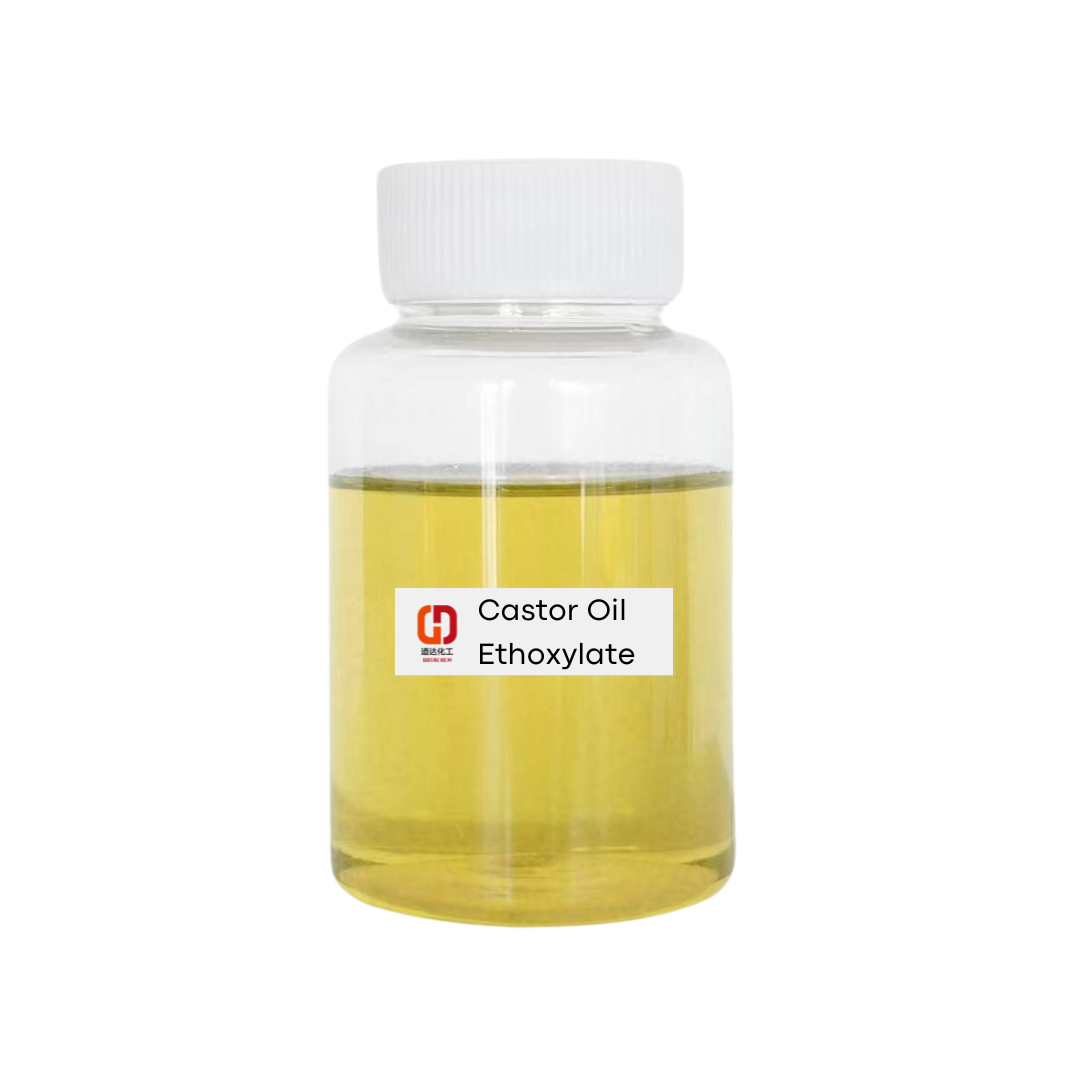
Derived from natural castor beans, castor oil ethoxylate is a versatile ingredient that significantly boosts the functionality of various personal care items. Its unique chemical structure allows it to act as an effective emulsifier, ensuring that oil and water components blend seamlessly in lotions and creams, resulting in smoother, more stable formulations. This natural enhancement not only improves texture but also contributes to a richer, more luxurious feel upon application, making products stand out for their superior performance without relying on synthetic additives.
Beyond emulsification, castor oil ethoxylate excels as a solubilizer and conditioning agent, particularly in shampoos and conditioners. It helps dissolve essential oils and fragrances evenly throughout the solution, enhancing scent retention and providing a consistent user experience. Additionally, its moisturizing properties help lock in hydration, leaving hair and skin feeling soft and nourished. This dual-action approach—combining solubilization with conditioning—sets it apart from standard ingredients, offering a holistic upgrade that consumers can notice in everyday use.
In skincare formulations, castor oil ethoxylate plays a crucial role in improving penetration and absorption of active ingredients. By modifying the surface tension of products, it allows beneficial compounds to reach deeper skin layers more effectively, maximizing their therapeutic effects. This makes it ideal for anti-aging creams and serums, where enhanced delivery can lead to visible improvements in skin health. Its natural origin and multifunctional benefits make it a preferred choice for brands aiming to create high-performance, eco-friendly personal care solutions that deliver tangible results.
Innovative Applications of Surfactive Agents Derived from Castor Oil
Castor oil, extracted from the seeds of the Ricinus communis plant, is a versatile natural resource that has long been valued in various industries for its unique fatty acid composition, primarily ricinoleic acid. In recent years, scientists have harnessed this oil to develop innovative surfactive agents—compounds that lower surface tension between liquids or between a liquid and a solid—opening up exciting new applications beyond traditional uses like lubricants or cosmetics. These agents, derived through processes like esterification or ethoxylation, offer eco-friendly alternatives to synthetic surfactants, aligning with the growing demand for sustainable and biodegradable materials in today's market.
In the pharmaceutical and biomedical fields, surfactive agents from castor oil are making significant strides. For instance, they are being used to formulate drug delivery systems that enhance the solubility and bioavailability of poorly water-soluble medications, improving treatment outcomes. Additionally, these agents serve as key components in creating biocompatible coatings for medical devices, such as stents or implants, reducing the risk of infections and promoting better integration with body tissues. Their non-toxic and hypoallergenic properties make them particularly suitable for sensitive applications, paving the way for safer and more effective healthcare solutions.
Beyond healthcare, these surfactive agents are revolutionizing sectors like agriculture and environmental technology. In agriculture, they are employed in the development of advanced pesticide formulations that improve the adhesion and spread of active ingredients on plant surfaces, leading to more efficient pest control with reduced chemical usage. Environmentally, they play a crucial role in oil spill remediation by acting as dispersants that break down hydrocarbons, aiding in cleaner-up efforts. As research continues, the potential for castor oil-derived surfactants in areas like personal care, industrial cleaning, and nanotechnology is expanding, showcasing their adaptability and promising a greener, more innovative future across diverse industries.
Tailoring Solutions for Industrial Emulsions and Cleaning Systems
In the dynamic landscape of industrial operations, standard off-the-shelf solutions often fall short when it comes to managing complex emulsions and cleaning systems. That's where tailored approaches step in, designed to address specific challenges like varying material compositions, production scales, and environmental regulations. By customizing these systems, businesses can achieve enhanced efficiency, reduce waste, and extend equipment lifespan, making it a strategic investment rather than just a maintenance task.
What sets a tailored solution apart is its ability to adapt to unique operational nuances—whether it's integrating with existing machinery, optimizing chemical formulations for specific contaminants, or ensuring compliance with local safety standards. This flexibility not only boosts performance but also minimizes downtime and operational disruptions, providing a seamless fit into daily workflows. It's about creating a system that works in harmony with your processes, rather than forcing adjustments to accommodate generic tools.
Ultimately, the goal is to deliver sustainable results that go beyond immediate fixes. Customized emulsions and cleaning systems can lead to long-term cost savings, improved product quality, and a smaller environmental footprint. By focusing on bespoke designs, industries can future-proof their operations, staying agile in the face of evolving demands and technological advancements. It's a proactive approach that transforms routine cleaning into a value-added component of overall productivity.
Sustainable and Biodegradable Features of Castor-Based Surfactants
Castor-based surfactants, derived from the oil of the castor plant, are celebrated for their sustainability, often sourced as a renewable agricultural product. Unlike petroleum-based alternatives that rely on finite resources, these surfactants support eco-friendly production cycles by minimizing dependence on non-renewable materials. Their cultivation can be integrated into sustainable farming practices, reducing environmental footprints and promoting biodiversity, making them a forward-thinking choice for industries prioritizing green chemistry.
In terms of biodegradability, castor-based surfactants excel due to their natural lipid structure, which allows microorganisms to break them down efficiently in various environments. This rapid decomposition leads to lower accumulations of persistent chemicals in soil and water systems, helping mitigate pollution and aquatic toxicity. Their biodegradable nature not only complies with stringent environmental regulations but also aligns with consumer demand for products that leave minimal ecological impact, enhancing their appeal in cleaning, personal care, and industrial applications.
The unique molecular properties of castor-based surfactants contribute to their effectiveness without compromising environmental safety, offering high-performance cleaning and emulsifying abilities while being gentle on ecosystems. This balance of efficiency and eco-friendliness is rare in synthetic counterparts, positioning these surfactants as innovative solutions for sustainable development. As awareness grows, their adoption is set to increase, driving advancements in biodegradable formulations and reinforcing their role in a circular economy.
Emerging Trends in the Use of Renewable Surfactants for Advanced Formulations
The landscape of surfactant technology is undergoing a significant transformation, driven by the increasing demand for sustainable and high-performance ingredients in advanced formulations. Renewable surfactants, derived from sources like plants, algae, and waste biomass, are gaining traction across industries from personal care to agrochemicals. Not only do they reduce reliance on fossil fuels, but their biodegradability often surpasses that of traditional synthetic counterparts, addressing environmental concerns without compromising efficacy.
Innovations in production methods are enabling the creation of tailored renewable surfactants with specific functionalities. For instance, enzymatic and fermentation processes allow for precise control over molecular structures, yielding compounds with enhanced solubility, lower toxicity, and better compatibility in complex formulations. This customization supports applications in sensitive areas such as pharmaceuticals and cosmetics, where performance and safety are critical.
Looking ahead, the integration of renewable surfactants with cutting-edge technologies like nanotechnology and green chemistry is poised to unlock new possibilities. These trends are not just about substitution; they're fostering a holistic approach to formulation design that prioritizes circularity and innovation, making advanced products both eco-friendly and highly effective in meeting modern challenges.
FAQ
China Castor Oil Ethoxylate is a nonionic surfactant produced by ethoxylating castor oil, a natural triglyceride sourced from castor beans. The process involves reacting castor oil with ethylene oxide under controlled conditions, often catalyzed by alkali or acid catalysts, to add ethoxylate chains. This enhances its water solubility and surfactant properties while retaining the oil's biodegradable and renewable characteristics, making it a sustainable choice for various industrial applications.
This surfactant finds extensive use in industrial sectors such as textile processing, as it acts as an effective emulsifier and wetting agent in dyeing and finishing operations. It's also employed in metalworking fluids for lubrication and anti-corrosion, agricultural formulations as a spreader and penetrant, and in the production of paints and coatings to improve dispersion and stability. Its versatility stems from its ability to reduce surface tension and enhance compatibility between different phases.
In personal care items, it serves as a gentle emulsifier and solubilizer, particularly in skincare products like creams, lotions, and sunscreens, where it helps blend oil and water-based ingredients without causing skin irritation. Its natural origin and mild nature make it suitable for sensitive skin formulations. Additionally, it can improve the feel and texture of products, providing a smooth, non-greasy finish that enhances user experience.
Derived from renewable castor oil, it is biodegradable and has a lower environmental impact than many petroleum-based surfactants. Its production process can be optimized to minimize waste, and it breaks down more readily in ecosystems, reducing long-term pollution risks. This aligns with growing consumer and regulatory demands for eco-friendly ingredients, making it a preferred option in green chemistry initiatives.
Yes, manufacturers often tailor its ethoxylation degree—varying the number of ethylene oxide units—to adjust properties like hydrophilicity, solubility, and emulsifying strength for specific applications. For instance, higher ethoxylation yields better water solubility, useful in cleaning agents, while lower degrees may enhance oil compatibility in cosmetic emulsions. This customization allows formulators to fine-tune performance across diverse products.
It should be stored in a cool, dry place away from direct sunlight and heat sources to prevent degradation. Containers must be tightly sealed to avoid moisture absorption, which can affect its efficacy. In handling, standard personal protective equipment like gloves and goggles is recommended to prevent skin or eye contact. While generally low in toxicity, proper ventilation is advised during large-scale use to ensure safety.
Conclusion
China castor oil ethoxylate demonstrates remarkable versatility in industrial formulations, serving as a cornerstone for tailored solutions in industrial emulsions and cleaning systems. By exploring its multifaceted applications, manufacturers can leverage this surfactive agent to optimize stability and efficiency across diverse sectors. The derivative's ability to enhance emulsion consistency and cleaning efficacy underscores its critical role in advanced industrial processes.
In personal care products, castor oil ethoxylate significantly boosts performance, offering sustainable and biodegradable features that align with eco-friendly trends. Innovative applications of this renewable surfactant drive emerging trends in advanced formulations, positioning it as a key component for future developments. Its adaptability not only enhances product effectiveness but also supports the shift towards more environmentally conscious solutions in both industrial and personal care contexts.
Contact Us
Contact Person: Levi
Email: [email protected]
Tel/WhatsApp: +86 532 84688720
Website: https://www.polykem-intl.com